McCall Steps Aside
International President David McCall Leaves Behind Incomparable Legacy of Advocacy
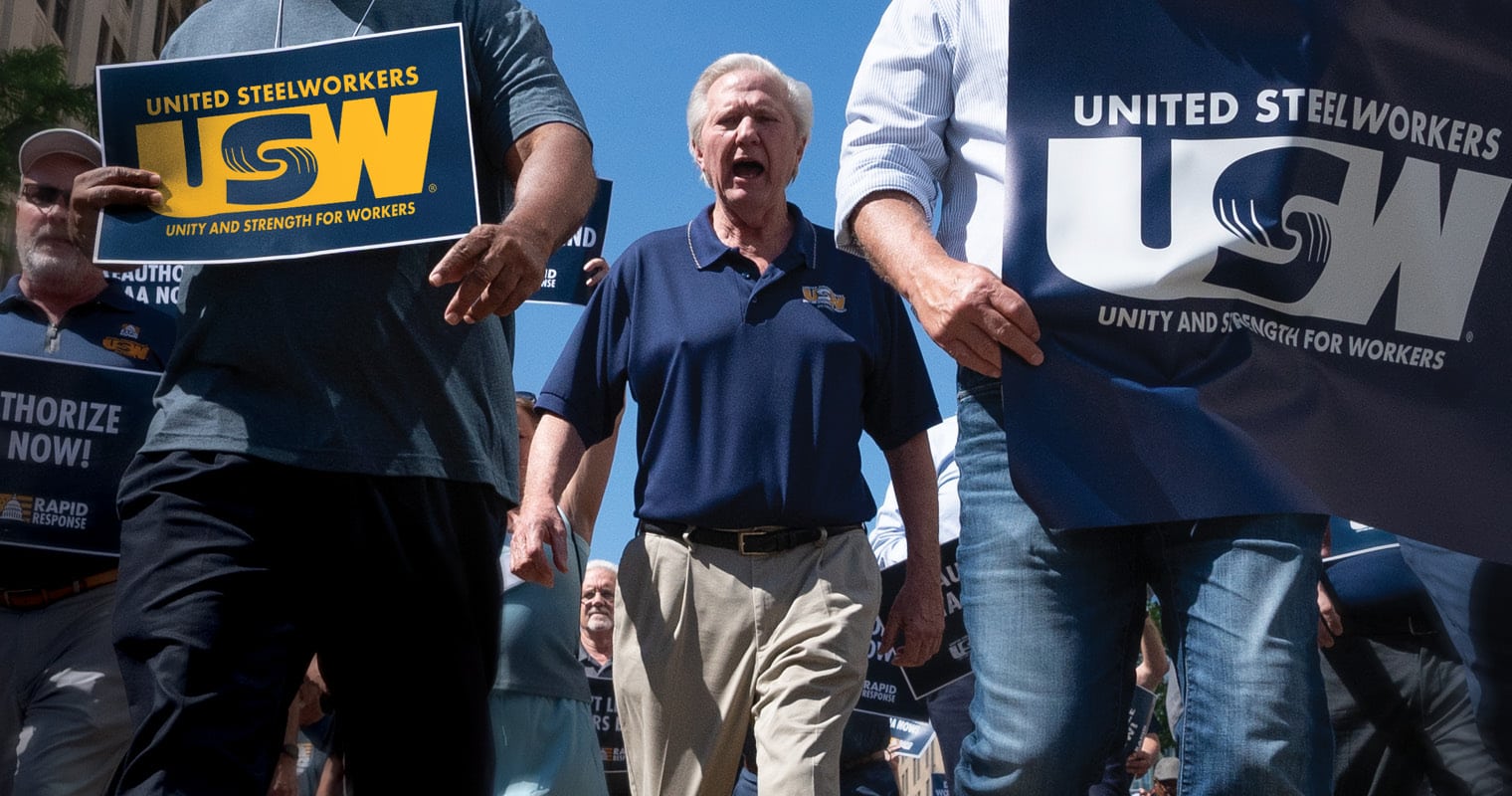
David McCall was 18 years old when he joined Local 6787 and went to work as a millwright at Bethlehem Steel’s sprawling Burns Harbor Works in northwestern Indiana.
As he prepares to step down as the USW’s ninth international president on March 1, McCall leaves a nearly six-decade legacy of activism and advocacy on behalf of American workers and an indelible mark on the lives of countless USW members.
“It’s impossible to overstate the impact that Dave McCall has had on the Steelworkers’ union and the labor movement,” International Vice President Roxanne Brown said as she prepared to succeed McCall. “Dave has been fighting for justice and fairness since the day he went to work, and he’s given his heart and soul to our movement.”
Early Activism
His calling as a USW activist began to take hold when McCall was still a boy. A fourth-generation Steelworker born and raised in Gary, Ind., McCall walked his first picket line at age 7 during the USW’s 116-day industry-wide strike in 1959.
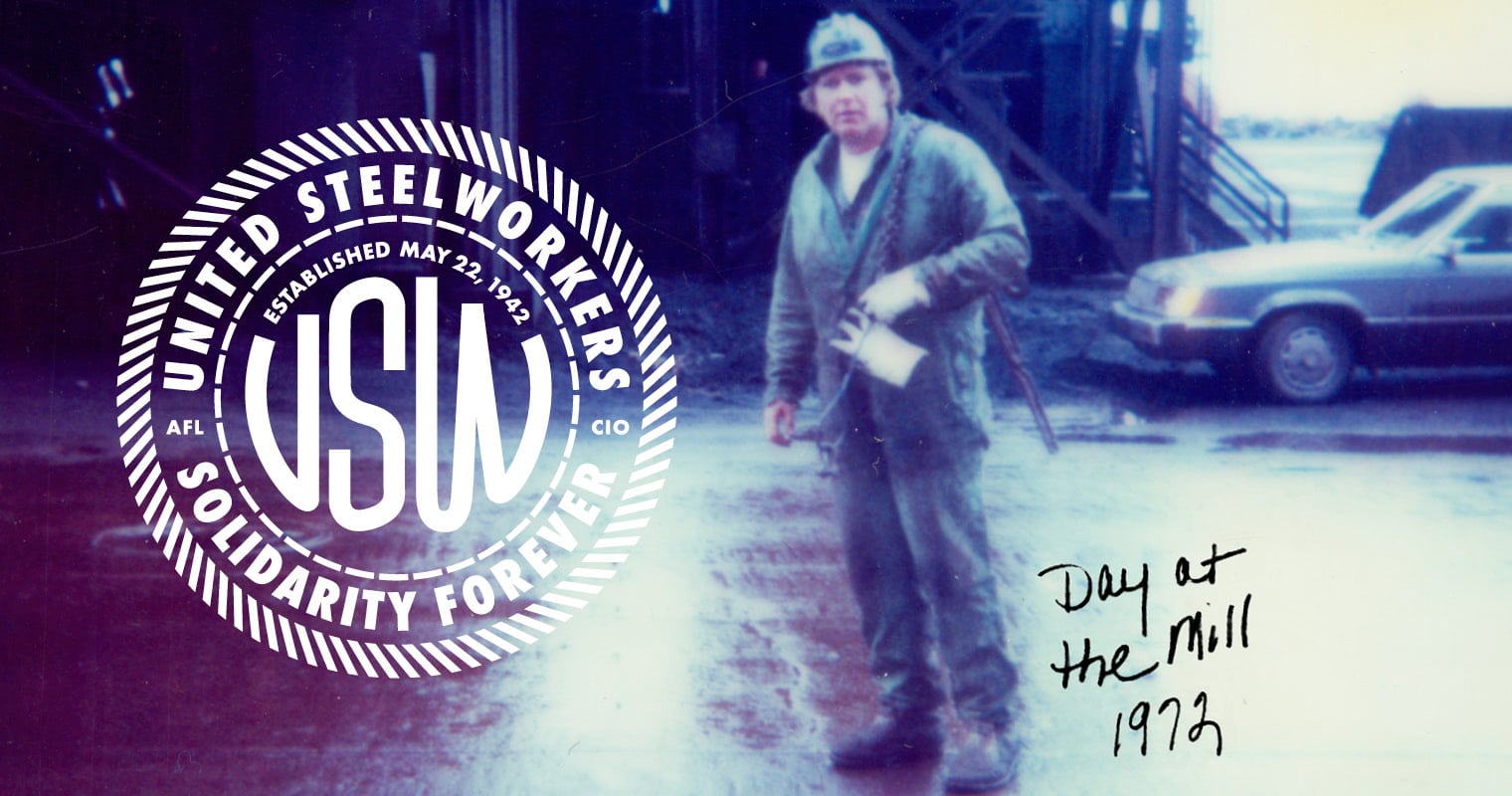
When his employer fired him and other union members during a wildcat strike early in his career, the union helped the workers regain their jobs. And when the local staff representative mentioned the need for a new shop steward, McCall accepted the challenge.
“He handed me a contract book and a set of grievance forms,” McCall said. “I took the job seriously, and we started addressing a bunch of problems.”
Grateful co-workers put McCall on the grievance committee in 1971, then elected him committee chairman in 1975 and Local 6787 vice president in 1985.
Steel Crisis
His rise through the ranks coincided with a crisis in the steel industry brought on by a flood of imports into the U.S. market. In response, McCall organized Local 6787’s food bank to assist families devastated by layoffs.
Those experiences helped to prepare him for future battles as he joined the USW staff, serving first as a staff representative and then as sub-district director in Gary, and later as assistant director of District 7. In 1999, McCall took office as director of District 1, representing tens of thousands of Steelworkers in Ohio.
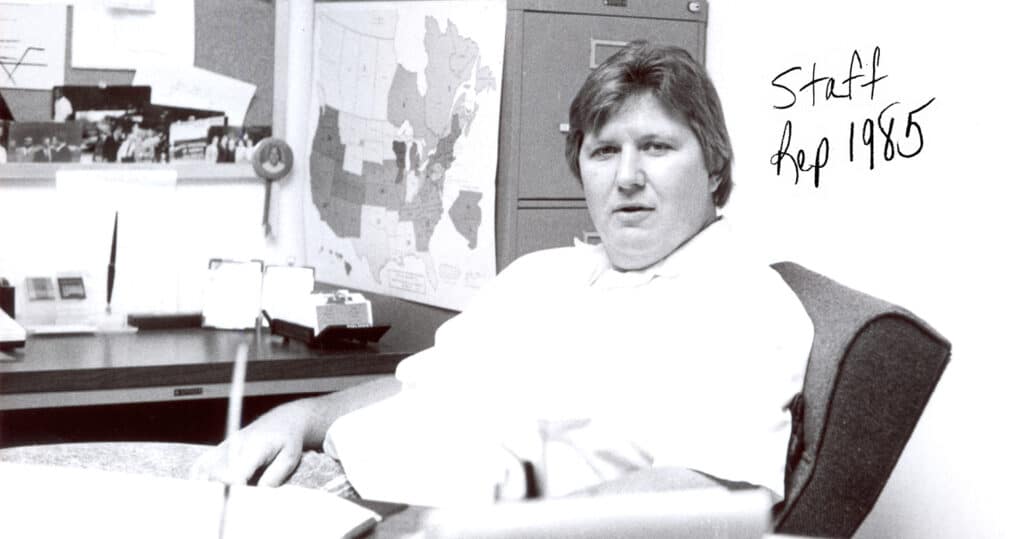
In his 21 years in that role, McCall worked alongside USW members to negotiate contracts with hundreds of employers across every industry. He bargained innovative agreements that gave workers a stronger voice and delivered on priorities like pay increases, job security, retirement and health care for tens of thousands of workers.
Members First
As the steel industry struggled again in his early days as director, McCall led members through the resulting layoffs, shutdowns, bankruptcies and other issues the way he always did – by building strength and solidarity from the grassroots level and making sure Steelworkers’ voices were always heard.
“I’ve always believed that the rank-and-file members, the workers on the shop floor, must be the ones to lead this union,” McCall said. “We are there to listen to them, to amplify their voices, and to fight for the core values that they hold dear, like workers’ rights, economic justice, fair trade, retirement security and affordable health care.”
In April 1998, McCall and now-District 7 Director Mike Millsap helped lead a sit-in at the Canton, Ohio, headquarters of Republic Engineered Steels to protest the company’s plan to cut hundreds of union jobs and open a $300 million non-union mini-mill in the South.
A judge threatened McCall and others with arrest, saying he’d taken an oath to enforce the law and had no choice but to have them removed.
“We took an oath, too, Your Honor, an oath to our members,” replied McCall, who was leading negotiations. “We’re not leaving.”
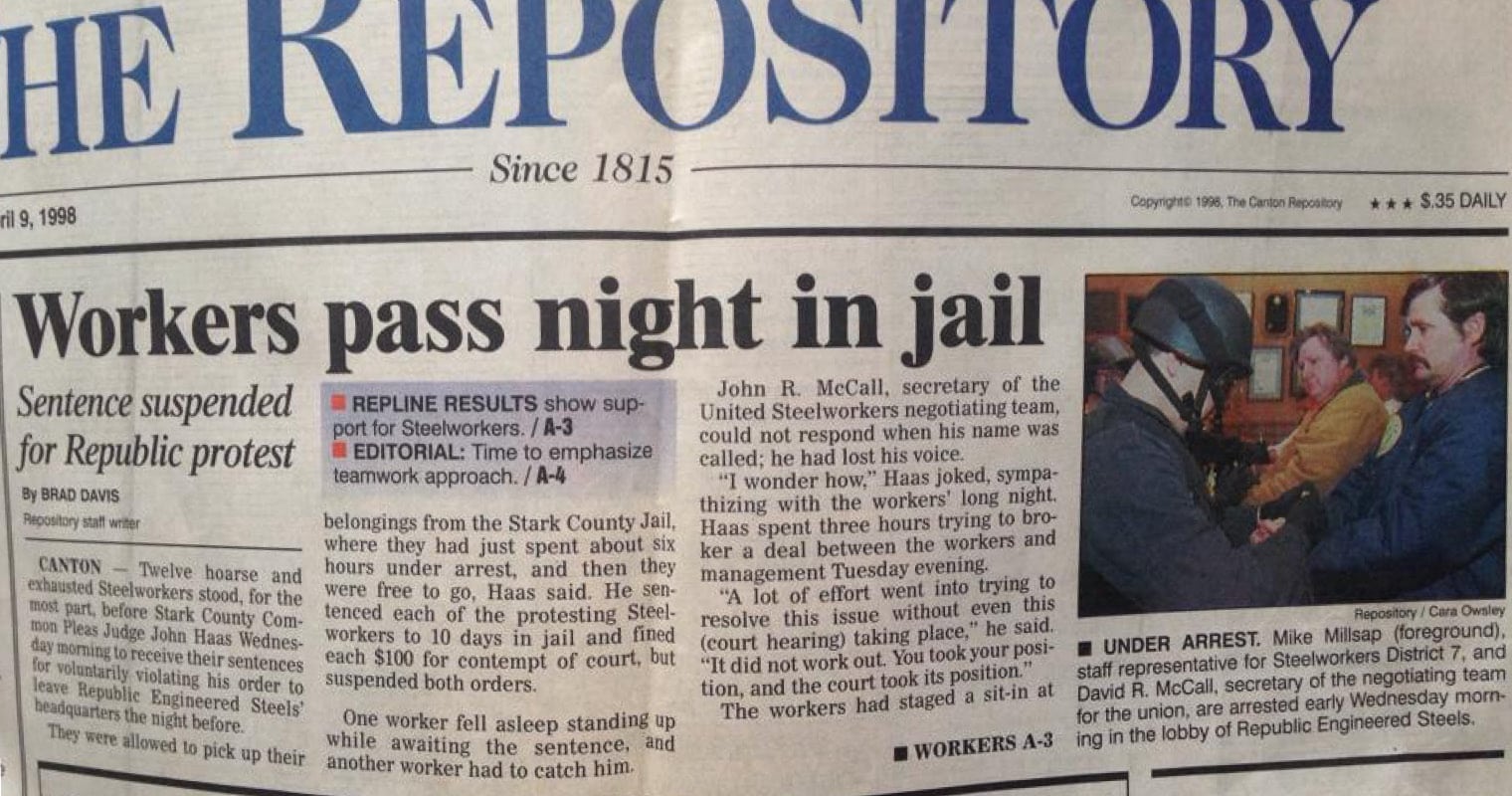
Police ultimately slapped handcuffs on McCall, Millsap and other union officials, all of whom spent the night in jail. The judge suspended the rest of their sentences, however, and plans for the non-union mill fizzled.
Victories like those at Republic cemented McCall’s reputation and led to his appointment as director of District 1.
A Steady Hand
The choice ensured steady, pragmatic leadership during turbulent times. McCall worked with employers to save jobs and protect benefits while tirelessly fighting those who dared to exploit workers.
Amber Miller was a 21-year-old member in northwest Ohio, still finding her footing as an activist, when she met McCall. Over the years, he became a trusted mentor and friend to the USW international vice president, who took the oath of office March 1 alongside Brown.
“One of the most powerful lessons Dave taught me is that everyone has a place in this union,” Miller said. “He taught me that no challenge is too great to overcome if we keep the members at the center of our hearts, we listen to them, lift them up, and remind them of their collective strength.”
McCall was just several months into the director’s job when Armco locked out about 500 members of Local 169 in a dispute over unlimited mandatory overtime and other issues in Mansfield, Ohio.
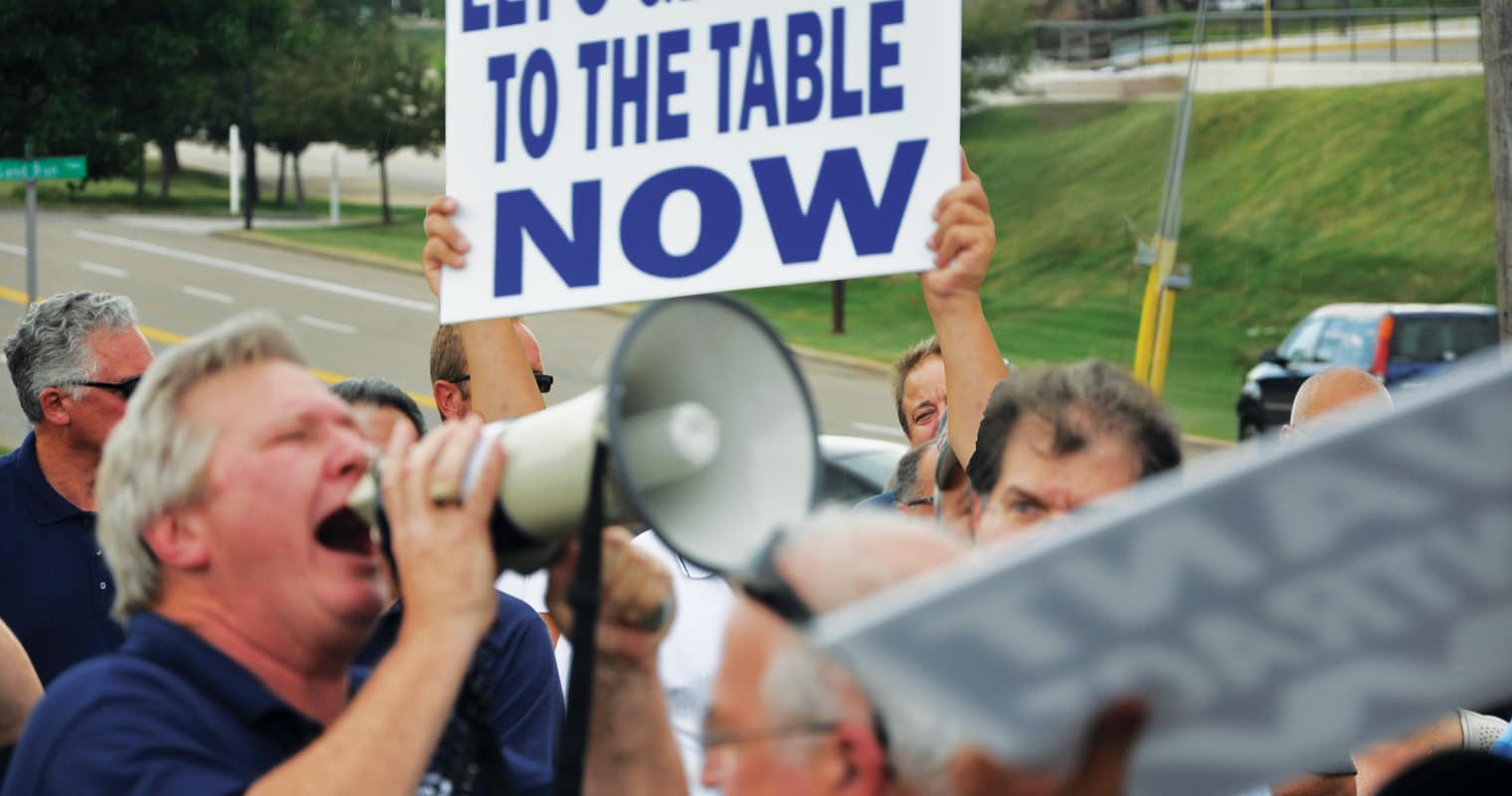
The lockout continued for 39 agonizing months, even after Armco’s acquisition by AK Steel. Working alongside his friend and Local 6787 brother Tom Conway, McCall built community support, organized rallies, advanced negotiations and shined a light on the company’s reprehensible conduct.
Local 169 President Steve Ackerman credited McCall and Conway with keeping the local together.
“It was clear that their vision was what kept our membership united, focused, and strong,” Ackerman said. “Local 169 is forever grateful.”
AK Steel eventually capitulated, not only ending the lockout in December 2002 but firing two top executives who bungled the dispute. The USW continues to represent workers at the Mansfield plant, now part of Cleveland-Cliffs.
Solidarity in Steel
While the battle with AK Steel raged, McCall and other USW leaders confronted a broader crisis as 50 steel companies filed for bankruptcy between 1998 and 2002 amid continuing dumping of imports that drove prices to record lows.
The failing companies included LTV, which laid off thousands of union workers and closed mills in Ohio, Illinois and Indiana. McCall worked with the newly formed International Steel Group (ISG) to purchase LTV’s assets, reopen mills and return USW members to work under an innovative contract.
The agreement boosted job security and ensured the company’s commitment to investing in aging facilities, a lean management structure and worker involvement in problem-solving.
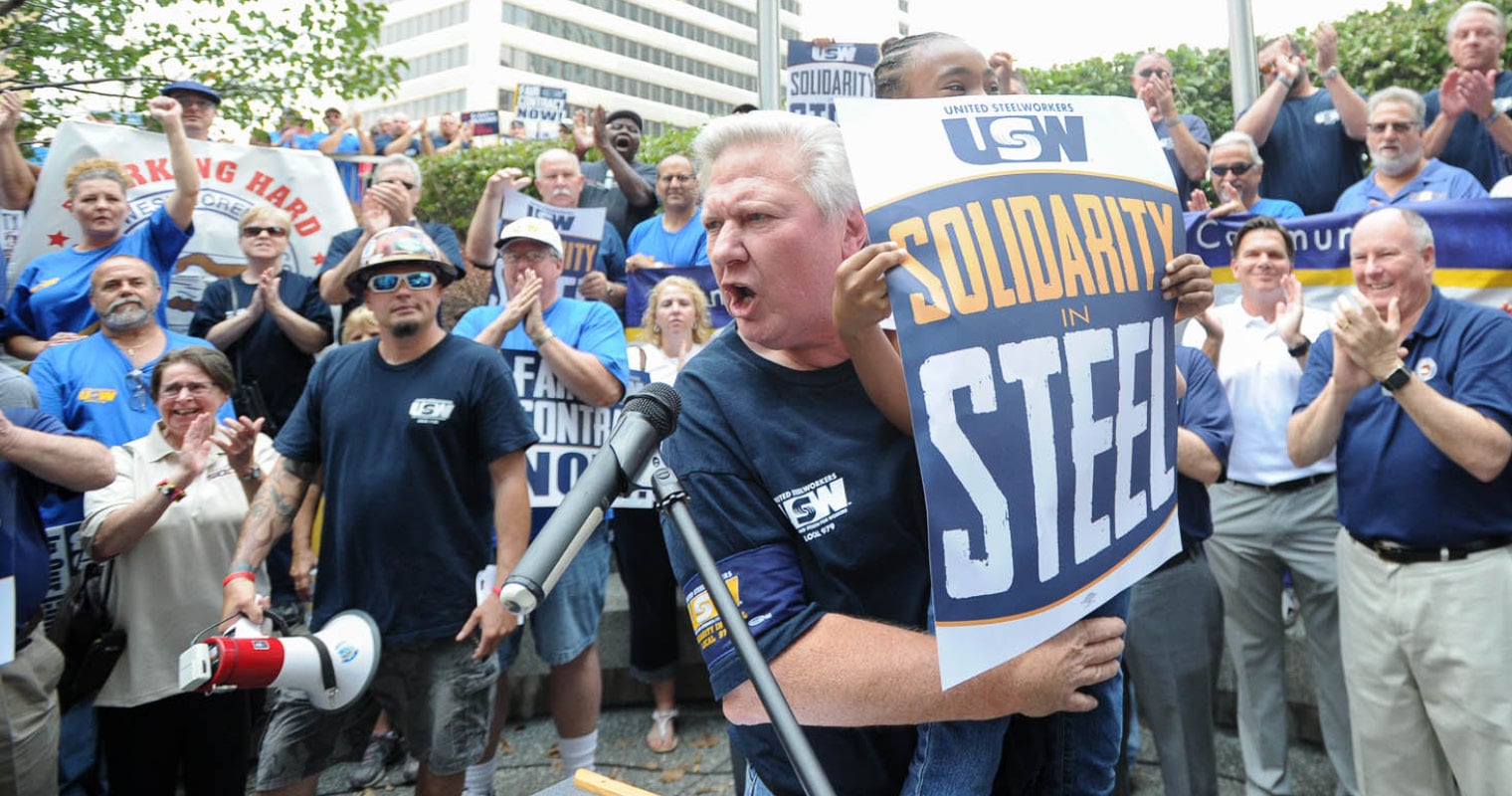
McCall also took unprecedented action to save the health benefits of 70,000 LTV retirees and spouses, persuading ISG to invest in a voluntary employees’ beneficiary association (VEBA) that continues to this day.
The contract with ISG had served as a blueprint for USW-ISG rescues of other union-represented steel companies – including Georgetown Steel, Acme Steel and Bethlehem Steel – and the extension of VEBA coverage for those companies’ retirees.
For members of Local 979 in Cleveland, their deep respect for McCall and his work led them to name their local union hall after him.
Local 979 President Dickie Peskar lauded the outgoing USW president for his “expertise, experience, dedication and talent.”
Tireless Fighter
USW members in Ohio repeatedly reelected McCall from 2001 to 2017. Among other achievements during that time, he led the union’s negotiations with ArcelorMittal, won the union a first-ever seat on Goodyear’s board of directors, and organized thousands of new members.
And McCall, remembering how he handed out groceries to laid-off members at Burns Harbor, highlighted the ever-growing dangers of offshoring and unfair trade in testimony before Congress and the International Trade Commission.
“We must ask ourselves at what point does it threaten national security?” McCall warned a congressional trade panel in 2004, presaging the shortfalls of the COVID-19 pandemic.
McCall worked to build relationships with like-minded leaders in District 1 and across the country, most notably with U.S. Sen. Sherrod Brown of Ohio, a tireless fighter for fair trade and workers’ rights.
Still, he never lost touch with his rank-and-file roots and never forgot the people he represented.
“When I sit at the negotiating table across from an employer, they need to know that they’re not just talking to Dave McCall,” he once said. “They’re talking to the one million members and retirees that are part of our union.”
A New Role
When Conway took the reins of the USW as international president in 2019, McCall won election as international vice president, and longtime activist Donnie Blatt stepped in to direct District 1.
“I couldn’t have asked for a better mentor, friend, or union brother than Dave McCall,” Blatt said. “The members of District 1 couldn’t have asked for a better leader.”
As vice president, McCall led negotiations with major employers and helped to ramp up the union’s organizing efforts.
In 2021, McCall led nearly 1,300 members at nine ATI locations through a three-month-long unfair labor practice strike during the pandemic, beating back demands for unnecessary concessions and achieving a contract with wage and benefit improvements.
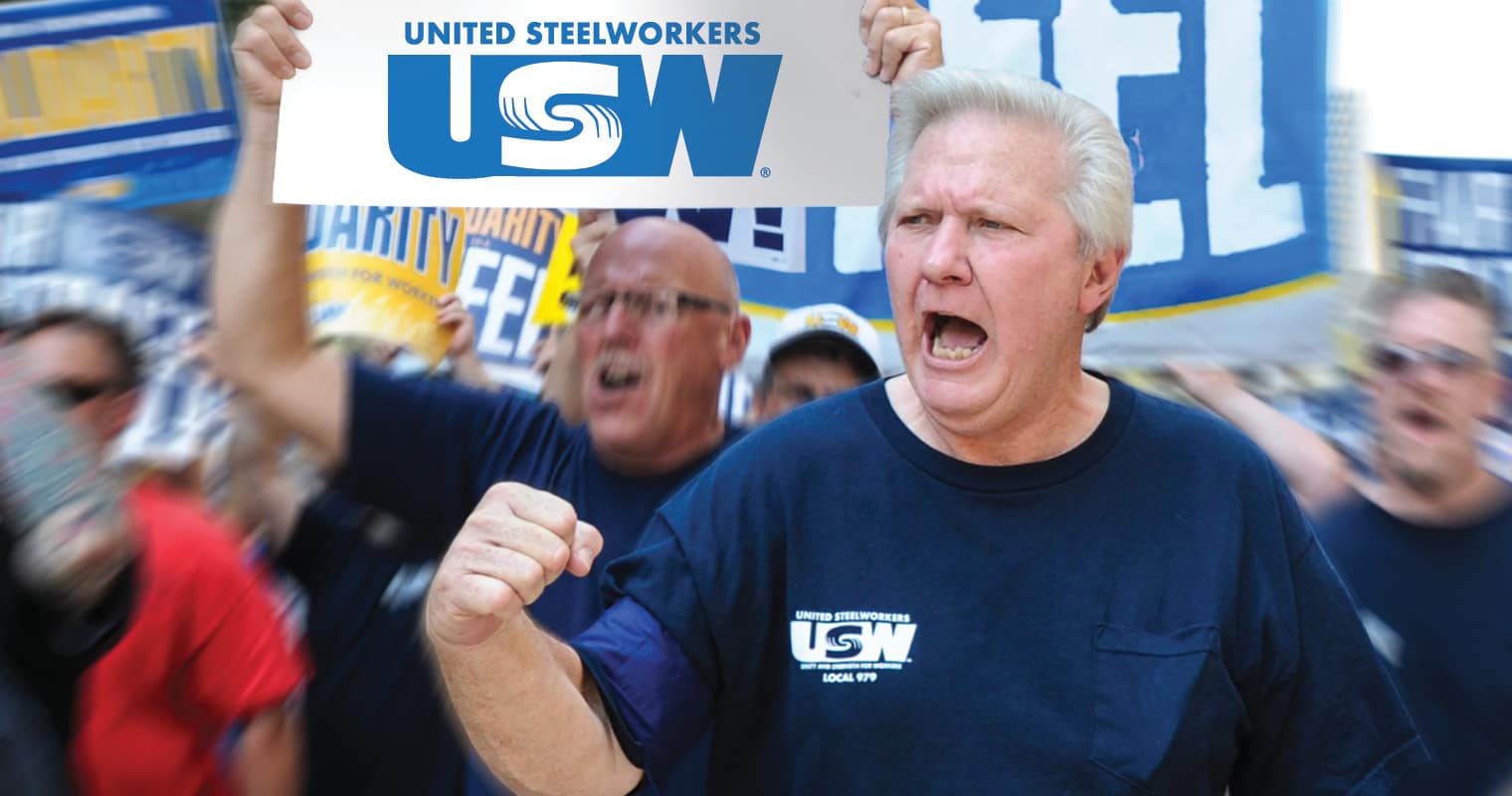
The following year, his negotiations with Cleveland-Cliffs yielded a four-year agreement with record wage increases, millions in capital investments and other enhancements for 12,000 members at 13 locations.
He continued fighting for fair trade and helped the union push through legislation that preserved failing multiemployer pension funds and allocated $1.2 trillion to rebuild infrastructure with union-made materials, components and products.
When Conway died on Sept. 25, 2023, McCall stepped in to serve out his term, telling union members, “We’ll move forward the only way we can: together.”
New Generation
As he steps aside to make way for the next generation of USW leadership, McCall will remain part of the USW team, working with members to bargain contracts with major steelmakers and other employers.
“I couldn’t be more proud or more excited to see Roxanne take the helm of this great union,” McCall said. “She brings integrity, skill, knowledge, toughness and empathy to the job. She will represent the members of this union well.”
McCall believes the future can be bright for Steelworkers as they build on the principles of unity and solidarity that have sustained them for more than 80 years.
“As a union, it’s our job to think about the long-term safety and security of working people and their families,” McCall said. “As long as we understand that technology is here to stay and we make sure we stay on top of the rapidly changing landscape, I think we can shape a better future for workers.”
By clicking Sign Up you're confirming that you agree with our Terms and Conditions.
Want to Learn More?
See how the USW is making a real difference in our communities and our workplaces.